
Do Gums Swell After Extraction?
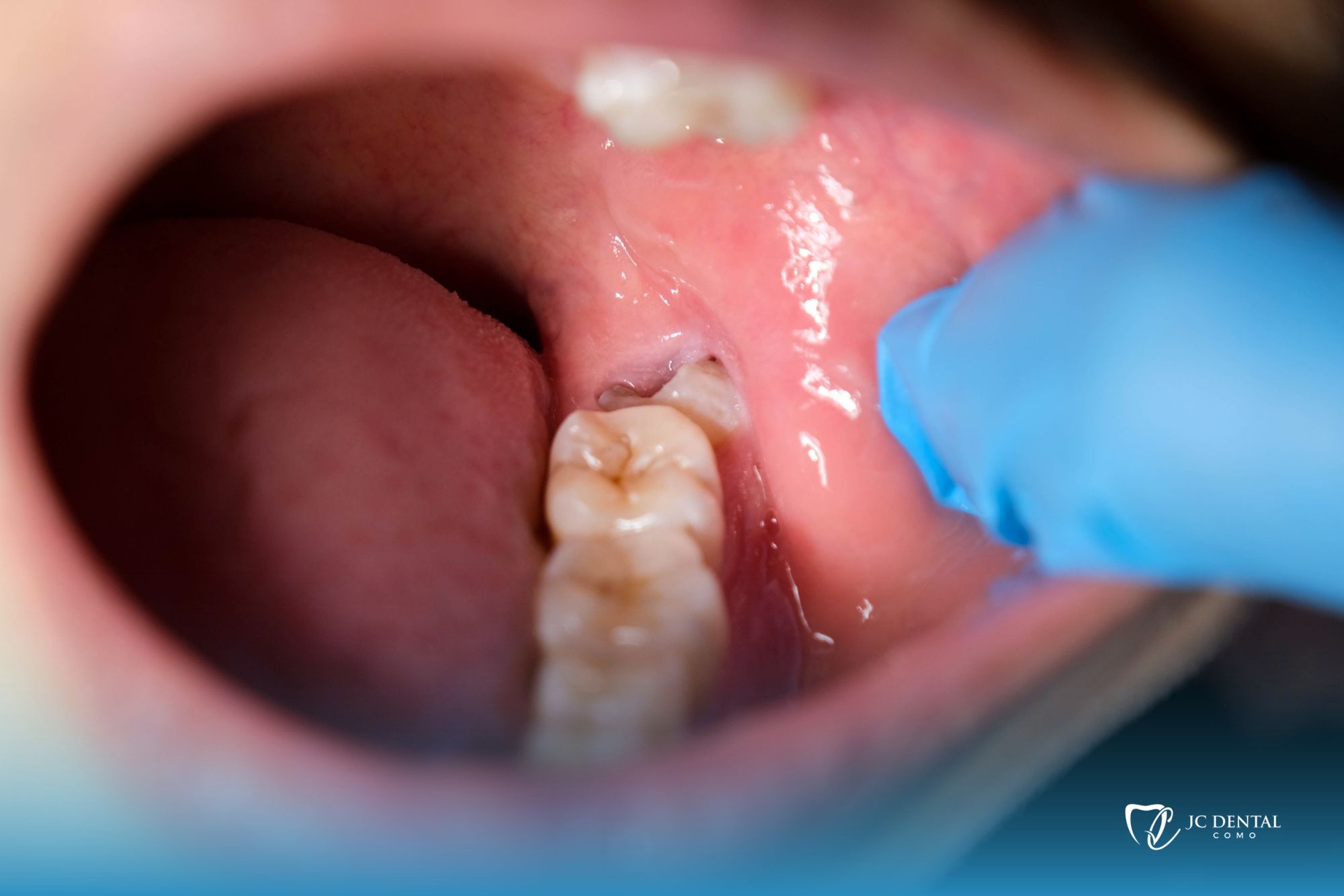
Yes, gums do swell after tooth extraction and wisdom teeth removal. This swelling is a normal part of the body’s healing process and typically occurs as a response to the trauma of the extraction. When a tooth is removed, the surrounding gum tissue may become inflamed, leading to noticeable swelling. While some swelling is expected, it’s important to monitor its severity and duration. At JC Dental Como, we emphasise the importance of understanding this process to ensure a smooth recovery.
Key Takeaways
- Swelling is a normal response following tooth extraction and usually peaks within 48–72 hours.
- Abnormal swelling may indicate complications such as infection or dry socket.
- Proper post-operative care can significantly reduce swelling and promote healing.
- Signs of infection include prolonged swelling, severe pain, and bad breath.
- Contact your dentist if you have concerns about your recovery after an extraction.
Do Gums Swell After Extraction?
Yes, gum swelling is common after a tooth extraction. This occurs due to the body’s natural inflammatory response to trauma. When a tooth is pulled, the surrounding gum tissue and underlying bone are affected, leading to inflammation. The degree of swelling can vary based on factors such as the complexity of the extraction (e.g., wisdom teeth removal) and individual health conditions.
Swelling typically begins shortly after the procedure and can last for several days. While some degree of swelling is expected, excessive or prolonged swelling may indicate complications that require attention.
Normal vs. Abnormal Swelling
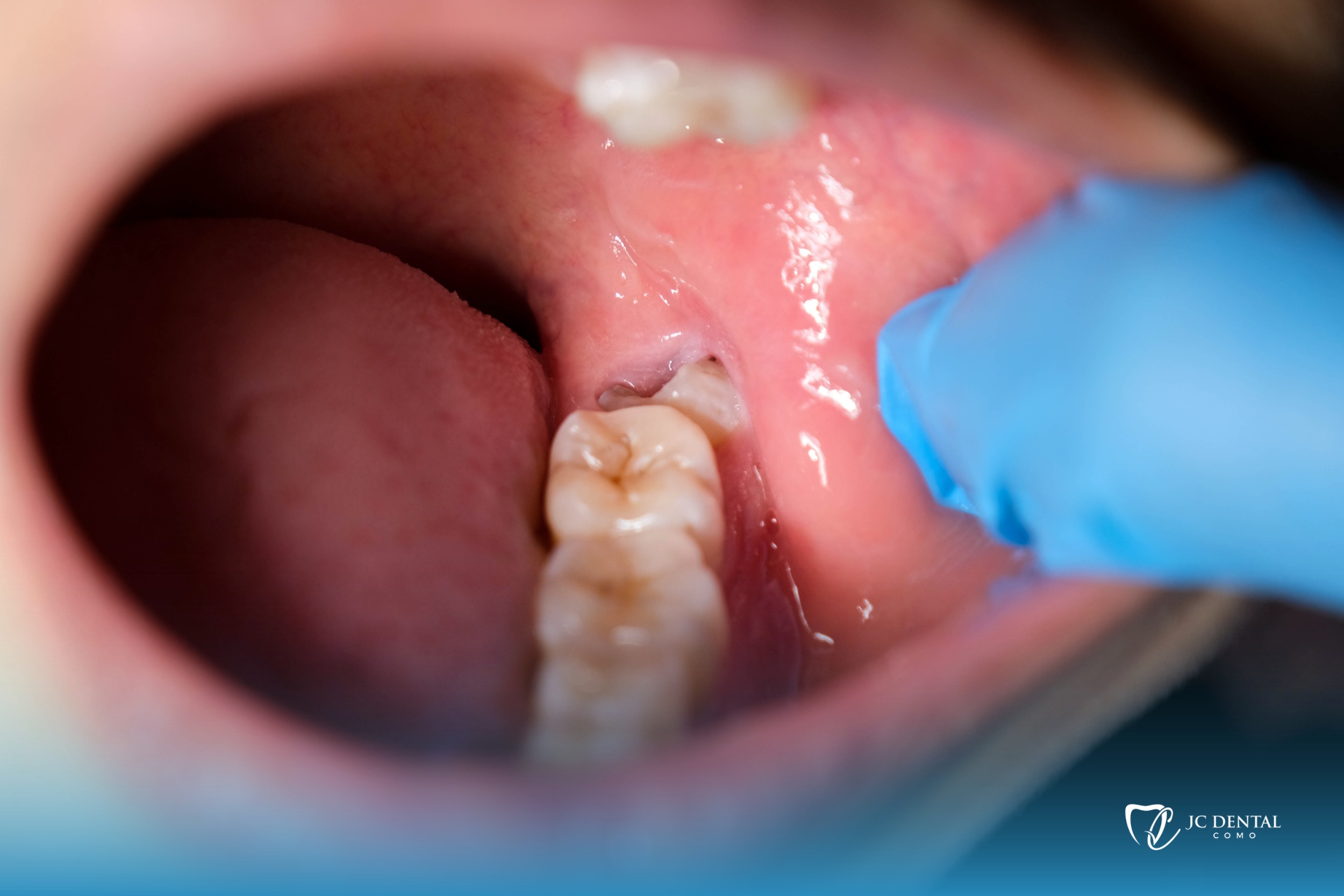
Normal swelling after tooth extraction generally peaks within the first two to three days. It should gradually subside over the following week. Key characteristics of normal swelling include:
- Mild to moderate discomfort
- Swelling confined to the area around the extraction site
- Improvement in symptoms over time
Abnormal swelling may persist for a week or worsen instead of improving. Signs that indicate abnormal swelling include:
- Severe pain not alleviated by pain relief methods
- Swelling that spreads beyond the extraction site or involves the face
- Presence of pus or foul-smelling discharge
- Fever or chills
If any of these symptoms occur, it’s crucial to contact your dentist promptly.
What Causes Swollen Gums After Tooth Extraction?
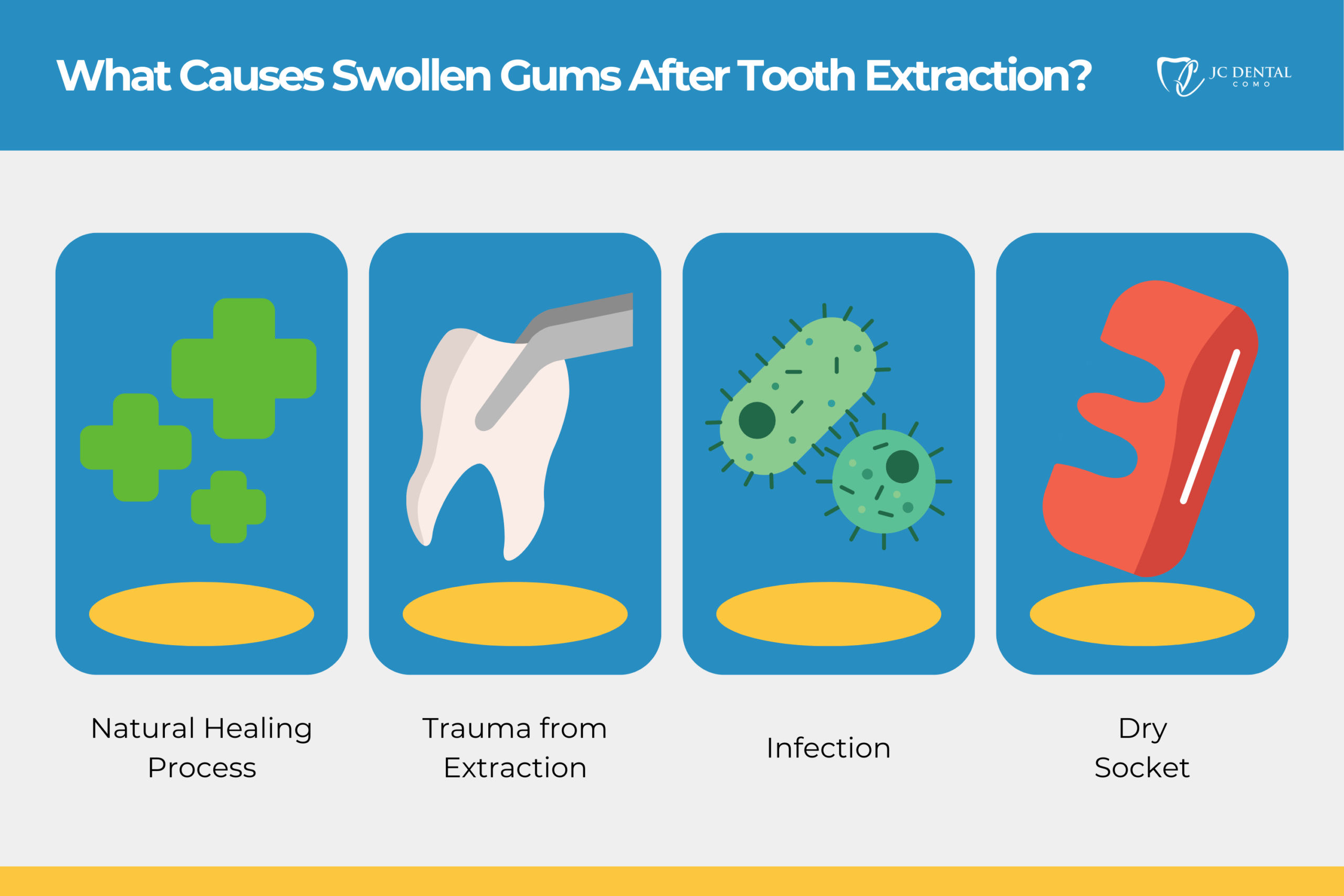
Swollen gums after tooth extraction can result from several factors:
- Body’s Natural Healing Process: The body sends blood and immune cells to the extraction site to facilitate healing, causing inflammation and swelling.
- Trauma from Extraction: The physical act of pulling a tooth can damage surrounding tissues, leading to localised swelling.
- Infection: If bacteria enter through the extraction site, it can lead to infected gums after tooth extraction, resulting in increased swelling and pain.
- Dry Socket: This condition occurs when the blood clot at the extraction site dislodges or fails to form properly, exposing underlying bone and nerves, which can cause significant pain and prolonged swelling.
Understanding these causes helps in managing expectations during recovery.
Timeline of Swelling After Extraction
The timeline for swelling after a tooth extraction typically follows this pattern:
| Time Frame | Description |
|---|---|
| First 24 hours | Initial swelling begins; mild discomfort may occur |
| Days 2-3 | Swelling peaks; apply ice packs to reduce inflammation |
| Days 4-7 | Gradual reduction in swelling; monitor for signs of infection |
| Week 1 | Most swelling should subside; follow post-operative care instructions |
| Week 2 | Any remaining minor swelling should resolve by this time |
Most patients experience some degree of swelling for up to a week following their procedure. However, with proper care, this should diminish significantly within that timeframe.
Management and Care for Swelling After Tooth Extraction
Effective management of swelling after tooth extraction is crucial for comfort and healing. Here are several strategies:
- Apply Ice Packs: Use an ice pack on the outside of your face near the extraction site during the first 48 hours. This helps reduce initial inflammation and numb pain.
- Pain Relief Medication: Over-the-counter pain relievers can help manage discomfort and reduce inflammation.
- Rest and Hydration: Ensure you rest adequately and stay hydrated. Avoid strenuous activities that could exacerbate swelling.
- Dietary Adjustments: Stick to soft foods that are easy to chew and swallow. Avoid hot foods or drinks that could irritate the socket.
- Oral Hygiene Practices:
- Rinse your mouth gently with warm salt water, starting 24 hours after surgery
- Avoid brushing directly over the extraction site for at least a few days
- Floss carefully around the area without disturbing the socket
Following these steps can help manage pain and reduce swelling effectively.
When to Seek Medical Attention
You should contact your dentist if you experience any of the following:
- Swelling persists beyond a week or worsens instead of improving
- Severe pain that does not respond to medication
- Signs of infection such as fever, chills, or bad breath
- Excessive bleeding or pus from the extraction site
Prompt attention can prevent complications like dry sockets or severe infections that may prolong recovery time.
JC Dental Como: Effortless Tooth Removal
While gum swelling after tooth extraction is expected as part of the healing process, it’s essential to monitor your symptoms closely. At JC Dental Como, we provide comprehensive post-operative care instructions to ensure a smooth recovery following dental surgery. If you have any concerns about your healing process or need assistance with dental care after an extraction, please contact us for support.
By understanding what to expect and how to manage your recovery effectively, you can minimise discomfort and promote proper healing after your tooth removal procedure.